Most people who grew up in a Christian or post-Christian culture learned a fairly simple cosmology: God made the world, and the world is good. Evil entered through human choice. Gnosticism — an ancient, diverse collection of spiritual movements that flourished in the first few centuries CE — tells a radically different story.
The basic idea
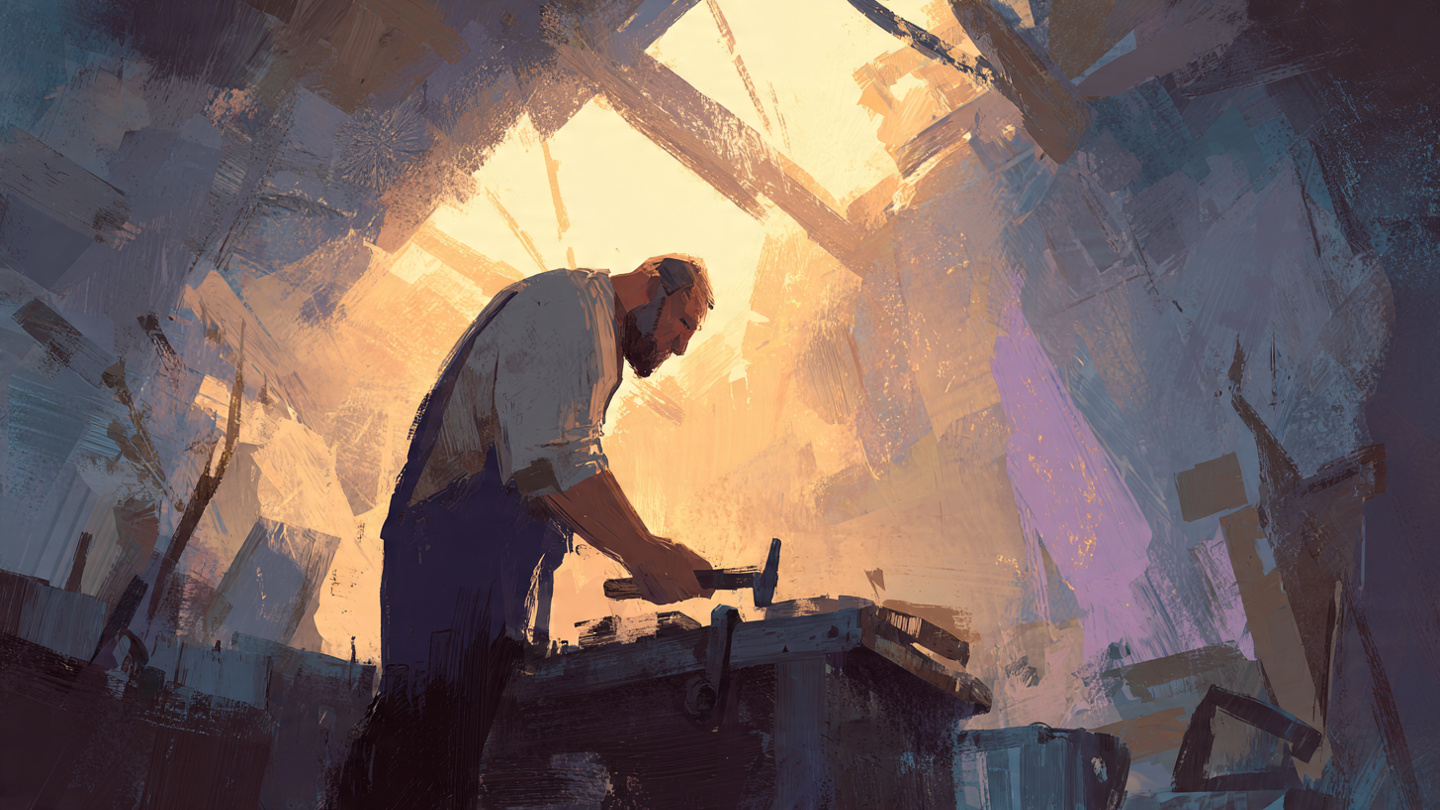
In most Gnostic systems, the universe was not made by the highest God. It was made by a lesser, flawed being — the Demiurge. The word comes from the Greek for craftsman or artisan. The Demiurge is not evil in a cartoon sense; he's more like an arrogant middle manager who thinks he's the CEO. Above him is the true divine reality — the Pleroma, meaning fullness — a realm of pure light and spirit. Human beings carry a divine spark from this higher realm, trapped inside material bodies in a world made by an imperfect creator.
Why this resonated so powerfully
The Gnostic framework explains something that orthodox theology has always struggled with: if an all-good, all-powerful God made this world, why is it so obviously broken? The Gnostic answer: because this world wasn't made by the ultimate God. It was made by a lesser being who got something wrong. For people living under Roman oppression, this was deeply resonant.
The Gnostic project
If the goal of mainstream Christianity is salvation through faith and grace, the goal of Gnosticism is gnosis: direct knowledge, a kind of spiritual awakening that allows you to recognise the divine spark within you. You don't need a church, a priest, or a sacrament. You need to wake up to what you already are.
Why it was suppressed
The early church worked hard to stamp out Gnostic movements. Gnosticism tended to flatten hierarchy — if everyone carries divine light, the priest has no special status. But the questions Gnosticism raised — about the imperfection of creation, the nature of evil, the direct accessibility of the divine — never went away. They keep resurfacing in every era, which is probably the best evidence that they're pointing at something real.